
Porsche 911 Type F: History, Design and Performance of the First Generation
- porschemania

- Dec 7, 2025
- 4 min read
Porsche 911 Type F: A Legend Born in 1964 - History and Characteristics of the First Generation
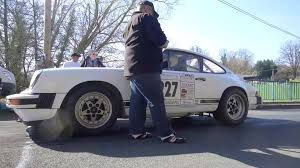
The Porsche 911 Type F embodies the very essence of the sports car. Launched in 1964 , this revolutionary car marked the beginning of an exceptional automotive saga. If you are a classic car enthusiast or a Porsche aficionado, the Type F is a must-have. Combining timeless design, high-level performance, and technical innovations, it remains a symbol of German engineering.
The Birth of a Legend: Porsche 911 Type F (1964-1973)
The Porsche 911 was introduced in 1964 as the Type F. Designed by Ferdinand "Butzi" Porsche , Ferdinand Porsche's grandson, the 911 immediately attracted attention with its bold design and rear-mounted flat-six engine , a rare and unique configuration in the automotive world. This "boxer" engine became one of the defining features that shaped the 911's personality, offering perfect weight distribution and exceptional stability .
The Type F is the first generation of the 911 , and its production lasted until 1973. During these nine years, the car evolved, adapting to safety standards and technological advances while retaining the DNA that would make it an automotive legend.
Iconic and innovative design of the Porsche 911 Type F
The design of the Porsche 911 Type F has become one of the most recognized and admired in automotive history. With its round headlights , flowing silhouette, and sloping rear decklid, the 911 Type F is the epitome of timeless style. The vehicle's shape, almost perfect in its proportions, is a work of art by Ferdinand "Butzi" Porsche .
But this design isn't just about aesthetics. The bodywork was conceived to offer optimal aerodynamics , allowing the 911 Type F to maintain excellent stability at high speeds. The choice of a rear engine also enabled the 911 to achieve exceptional performance while retaining agile handling .
Technical Evolution and Performance of the Type F
Over the years, the Porsche 911 Type F has undergone several technical evolutions, but it has always retained its unique character.
Engine and Performance
The Porsche 911 Type F was initially equipped with a 2.0-litre six-cylinder engine, producing approximately 130 horsepower . This engine allowed the car to accelerate from 0 to 100 km/h in about 8.5 seconds, an impressive performance for the time.
In 1969 , a major change occurred: the 911 was widened by 10 cm, improving the vehicle's stability and interior space. Furthermore, electronic fuel injection versions were introduced, replacing the older carburetors and improving performance, reliability, and emissions.
In subsequent years, several more powerful versions were offered. The 911S , for example, offered up to 160 horsepower , while the 911E was distinguished by its fuel efficiency and fuel injection technology.
The Appearance of the Iconic Versions
Porsche 911 Carrera RS 2.7 (1973) : This model became one of the most famous of the F-series generation. Lightweight and powerful, the Carrera RS 2.7 was equipped with a 2.7-liter engine producing 210 horsepower, capable of exceeding 240 km/h . Today, it is a sought-after collector's car for its performance and minimalist design.
Porsche 911 Targa (1967) : The arrival of the Targa version marked a turning point. This model, with its partially removable roof, allowed the 911 to appeal to drivers seeking an open-air driving experience without sacrificing the safety of a hardtop.
The Porsche 911 Type F: A True Object of Desire
Over the years, the Porsche 911 Type F has become a true object of desire for collectors and classic car enthusiasts. Today, it is highly sought after in the collector car market. Models like the 911 Carrera RS 2.7 often sell for high prices, thanks to their rarity, history, and unique design.
Owning a Porsche 911 Type F is not only about driving an exceptional car, but also about possessing a piece of history, a living testament to Porsche 's genius. Every kilometer driven in the 911 Type F is a true experience, a return to the origins of the sports car.
The End of the Porsche 911 Type F and its Legacy
Production of the Porsche 911 Type F ended in 1973 , giving way to the Porsche 911 Type G , which would evolve the model with modern features while retaining the soul of the 911. However, the Type F remains the archetype of timeless design and performance that continue to define the identity of the 911.
The legacy of the Porsche 911 Type F lives on in every new generation of the 911 , whether in terms of performance, build quality, or innovation. The Type F laid the foundation for a story that continues to this day, with the Porsche 911 Type 992 remaining true to the fundamental principles of its predecessor.
Why Choose a Porsche 911 Type F?
A timeless design : Its iconic look transcends decades without ever going out of style.
An exceptional performance : Even for a car over 50 years old, the 911 Type F remains a benchmark in terms of sporty driving.
Collector's value : With its status as a historical model and its rarity, the Porsche 911 Type F is a safe investment for enthusiasts and collectors.
Conclusion: A Journey Through Time
The Porsche 911 Type F remains one of the brand's most beloved models, a true benchmark in the world of sports cars. If you are fortunate enough to own or drive a Type F , you are part of an automotive legend . This model is a living testament to Porsche's genius and continues to inspire future generations of sports cars.

Comments